IPTV in the United States (2026): How It Works, Compatible Devices & What to Know
Introduction
Internet Protocol Television (IPTV) is a method of delivering television and video content over internet protocol (IP) networks rather than traditional broadcast or cable systems. In the United States, IPTV technology is used by a variety of legitimate television and streaming providers to deliver live channels, on-demand content, and interactive features.
This guide explains how IPTV works, which devices support it, and what to consider when choosing compatible applications and services.
What Is IPTV?
IPTV stands for Internet Protocol Television. Instead of receiving television through an antenna, satellite dish, or coaxial cable, IPTV delivers content over an internet connection.
Many modern streaming platforms use IPTV technology to provide live television, catch-up programming, and video-on-demand libraries.
How IPTV Works
An IPTV system generally includes:
- Content servers
- Internet delivery networks
- Compatible media player applications
- Supported streaming devices
- Broadband internet access
When a viewer selects a program, the content is streamed over the internet to their compatible device.
Compatible Devices
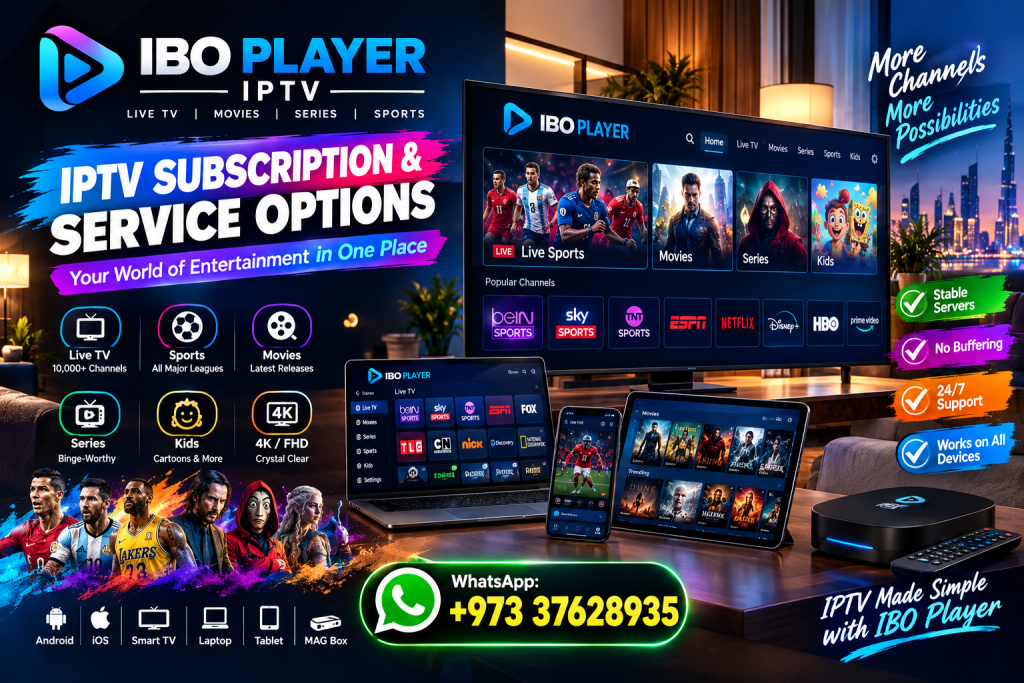
IPTV-compatible applications are available for many platforms, including:
- Android TV
- Google TV
- Apple TV
- Amazon Fire TV
- Android smartphones and tablets
- iPhone and iPad
- Windows PCs
- macOS computers
- Compatible Smart TVs
Available applications and features vary depending on the device and service.
IPTV vs Cable TV
| IPTV | Cable TV |
|---|---|
| Uses internet protocol networks | Uses dedicated cable infrastructure |
| Works on many internet-connected devices | Commonly uses provider-supplied hardware |
| Can support live TV and on-demand features | Typically offers fixed channel packages |
Benefits of IPTV Technology
Multi-Device Access
Many IPTV-compatible applications can be used across multiple supported devices.
On-Demand Viewing
Some services allow viewers to watch available content when convenient.
Electronic Program Guide (EPG)
Many IPTV applications display television schedules through integrated program guides.
Flexible Viewing
Users can often continue watching on different compatible devices.
Choosing Compatible Services
When evaluating an IPTV service or application, consider:
- Device compatibility
- Internet speed requirements
- User interface
- Electronic Program Guide (EPG) support
- Customer support
- Availability in your region
- Compliance with applicable laws and licensing
Frequently Asked Questions (FAQ)
Is IPTV legal in the United States?
IPTV is a delivery technology and is legal to use. The legality of a specific service depends on whether it has the necessary rights and licenses to distribute the content it offers.
What internet speed is recommended?
The appropriate speed depends on video quality, the number of devices in use, and the streaming service’s requirements.
Can IPTV work on a Smart TV?
Many Smart TVs support IPTV-compatible applications, depending on the operating system and available apps.
Do I need special hardware?
Not always. Many users access IPTV through Smart TVs, streaming devices, smartphones, tablets, or computers.
Conclusion
IPTV has become an important part of modern television delivery in the United States. By using internet protocol networks, it enables live TV and on-demand experiences across a wide range of compatible devices. Before using any IPTV service, verify that it is properly licensed for the content you wish to access and that it supports your preferred devices.
Call to Action
Explore more educational articles on One Top IPTV covering streaming technology, IPTV applications, Smart TVs, networking, Electronic Program Guides (EPG), streaming protocols, and device compatibility.
Website: One Top IPTV
WhatsApp: +97337628935